Bring a consistent process to the regulated waste streams generated by facility maintenance and technology replacement. ecoTech helps organizations assess universal waste needs and coordinate approved collection and recovery arrangements.
Start by identifying the material
Universal waste is a regulatory category for certain commonly generated hazardous wastes. It is not a general name for every item a facility wants to discard. Identifying the material, its condition and the state where it is managed is the first step in defining the right service.
We work with facilities, environmental health and safety, and procurement teams to review what is accumulating and how it should move. The aim is a repeatable arrangement with clear responsibilities at the site and at collection.
Waste streams to discuss with our team
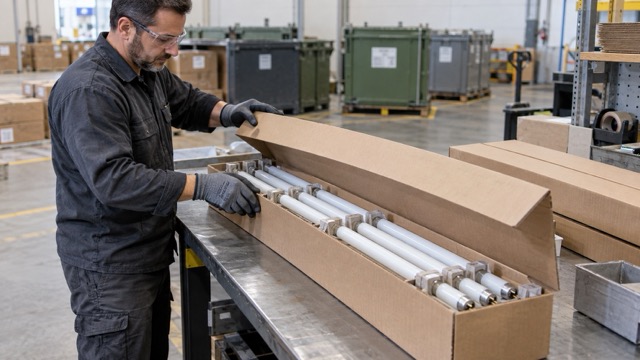
Common facility needs include batteries, certain lamps and selected mercury-containing equipment. Tell us the specific item, quantity and condition so acceptance and service arrangements can be confirmed. Other materials require individual review.
The EPA’s universal waste overview describes the federal categories and explains that state programs can differ. A material’s appearance on a regulatory list does not mean every recycler accepts it. Your confirmed service scope should name the materials covered.
For specific equipment streams, see battery recycling and management and solar panel recycling. Electronics themselves are treated differently across jurisdictions, so they should be identified separately when planning a combined collection.
Establish a workable collection routine
A good program helps staff answer practical questions: what belongs in each collection area, who checks the accumulation, when a collection is requested and which records stay with the site.
- Identify each stream. Record the material type and any known hazards or damage.
- Review site arrangements. Establish the required storage, containment and access responsibilities with your environmental team.
- Plan collections. Consider the generation rate, available space and applicable requirements when defining service frequency.
- Document the handoff. Agree on the collection information and transport records required for the approved material.
- Review changes. Reassess the arrangement when equipment, volume, condition or location changes.
Damaged containers, broken lamps, leaking items or unidentified materials need attention before a routine collection is booked. Provide the details during scoping so a suitable response can be determined.
Coordinate across facilities without losing site detail
Several locations may generate similar waste but have different operating conditions and state requirements. A central program can use shared reporting fields while preserving the instructions and responsibilities that apply to each location.
Where a maintenance project also produces retired computers or office equipment, we can discuss electronics recycling alongside the approved waste streams. Separate identification helps keep acceptance decisions and reporting accurate.
Records for environmental and facilities teams
Before the first pickup, define what the site needs to retain and what ecoTech will provide. Depending on the material and service scope, records may include dates, locations, material descriptions, quantities and appropriate collection or processing documentation.
Our sustainability and compliance reporting service can help organize the information across collections. The records should be reviewed against your organization’s applicable requirements.
Questions about universal waste programs
Are all batteries and lamps managed the same way?
No. Type, condition and applicable rules affect the handling route. Share the product details rather than relying on a broad label such as “batteries” or “bulbs.”
Can we combine different waste streams in one container?
Use only the storage and packaging arrangements approved for the specific materials. Identify mixed or unknown items before collection so they can be assessed.
How do we choose a pickup schedule?
Start with how quickly material accumulates, the space available and the requirements that apply to the site. Those details help determine whether scheduled service or collection requests are more suitable.
Review your facility’s waste streams
Tell ecoTech what your sites generate. Include material types, approximate quantities, locations and any damage or handling concerns.