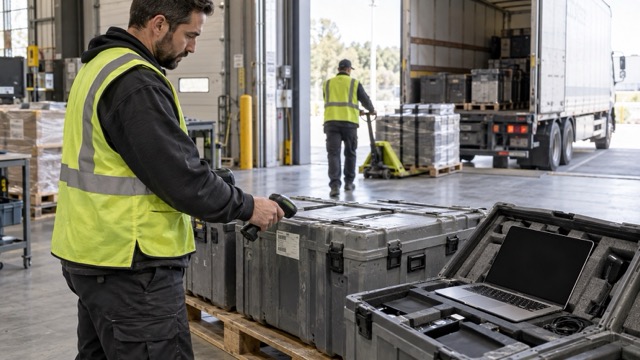
Bring retired and returned electronics into a coordinated recovery process. ecoTech plans reverse logistics around the equipment, collection points, security requirements and final destination, helping organizations manage returns across sites.
Connect each collection to an approved next step
Reverse logistics moves equipment back from users or operating locations for an authorized purpose such as evaluation, redeployment, recovery or recycling. The route works best when everyone knows what is being returned, where it belongs and how receipt will be confirmed.
We help define those details for technology refreshes, office closures, product take-back and ongoing equipment retirement. Your central team gains a consistent process, while each site receives instructions that fit its access, staffing and equipment.
Programs we can help coordinate
- Collections from offices, branches and other business locations
- Retired equipment consolidation during technology refreshes
- Equipment removal associated with office moves or closures
- Approved manufacturer returns and take-back programs
- Movement of assets designated for evaluation, reuse or recycling
Describe the number of collection points, typical shipment size and service frequency. If individual users or remote locations are involved, we will review the return method and responsibilities as part of the scope.
Define the handoffs that make the program work
Collection instructions
Agree on the accepted equipment, the people authorized to release it and any packing or staging work required. Site instructions should distinguish assets for reuse evaluation from those approved for destruction or recycling.
Transport and receipt
Identify the information that accompanies each movement: the collection site, project reference, equipment description and any required asset identifiers. Decide how receipt will be reconciled and how missing or unexpected equipment will be investigated.
Disposition authorization
A return needs a defined destination and an authorized processing decision. We can connect the logistics with IT asset disposition, data sanitization and destruction, or electronics recycling according to the program.
Plan for batteries and other transport considerations
Identify batteries, battery-containing equipment and any damaged products before selecting a shipping arrangement. The U.S. Department of Transportation’s lithium battery guidance explains why battery type and condition matter in transportation. A routine return process should not automatically be used for a damaged or recalled battery.
Large equipment, limited loading access and unusual packaging needs also affect the collection plan. Raising these details early helps prevent an avoidable failed pickup or an item arriving without an appropriate processing route.
Reporting that ties locations to outcomes
We agree on the records your program needs to follow equipment through its authorized steps. Depending on the scope, reporting can connect collection dates, origin locations, quantities, asset identifiers and processing results.
For OEM programs, the same records may need to distinguish product families, return reasons or reporting periods. Define those fields before the first shipment so they can be captured consistently.
Questions about electronics reverse logistics
Can you coordinate several locations under one program?
Yes. For a regional or nationwide program, share the complete site list so we can review collection coverage and establish shared requirements. Geography, volume and access conditions influence the service arrangement at each location.
Can employees simply send equipment to a recycling address?
Returns should follow an approved process. Confirm the destination, accepted equipment, packaging, shipping method and reference information first. This is particularly important for devices containing batteries or sensitive information.
What happens when returned equipment differs from the inventory?
The program should establish an exception process and a contact authorized to resolve discrepancies. We define the expected receipt and reconciliation records during scoping so those situations can be addressed consistently.
Organize your collection network
Share your locations and return requirements with ecoTech. We will help connect the movement of equipment to its approved recovery and reporting plan.